

Municipal emergency response water trailer for fire mutual aid
A fire department mutual aid water trailer gives municipal agencies, utility crews, and first responders a towable mobile water source for coordinated emergency staging, hydrant-limited response areas, and public works incidents.
When emergency water access is not close enough
Fire departments and municipal agencies often support one another during mutual aid calls, disaster response, utility emergencies, and public works emergency operations. In those situations, the response area may have limited water access, fixed hydrants may be too far away, or crews may need supplemental water staged closer to an incident or work zone.
A municipal emergency response water trailer helps fill that gap by giving responders and municipal crews a mobile water supply that can be filled, towed, staged, and reassigned as the response plan changes. It should be treated as support equipment within a coordinated plan, not as a replacement for fire apparatus, water tenders, trained responders, or required emergency planning.
What this trailer needs to do
For municipal response and utility emergency work, the right trailer is the one that fits the response area, tow vehicle, fill source, road-use needs, and agency workflow.
- Support emergency staging The trailer should be easy to position near an incident, utility work zone, fill point, or command area without blocking emergency access.
- Move safely when loaded Tow vehicle fit matters because municipal crews may need to move water between stations, response areas, public works yards, and rural or hydrant-limited locations.
- Match the fill source Agencies should plan around where the trailer can be filled, how far it will travel from the fill point, and how quickly it can return to service.
- Fit pump and hose needs Pump, hose, nozzle, spray, and suction requirements should be selected around the intended emergency support role, not assumed from generic trailer descriptions.
- Account for road use If the trailer will travel on public roads, buyers should review road-use configuration, local requirements, agency policies, registration needs, and insurance requirements before operating.
- Coordinate across crews Fire departments, utility crews, public works teams, and first responders may share responsibility for staging, filling, towing, and operating the trailer during an incident.
How to choose a municipal emergency response water trailer
Start with the response plan, not the trailer size. The best fit depends on whether the trailer supports fire mutual aid, municipal disaster response, utility emergencies, first responder staging, or a combination of those roles.
Fire mutual aid and hydrant-limited areas
An emergency water trailer for fire mutual aid may fit when agencies need flexible water staging near rural response zones, fill points, or areas where fixed water access is limited.
Utility emergency water trailer with fire pump
Utility crews may need pump capability for emergency readiness, limited fire-response support, equipment washdown, temporary water movement, or staging near remote assets and work zones.
Municipal disaster response water trailer
Public works and municipal response teams may use mobile water supply during storm cleanup, infrastructure outages, disaster response, utility incidents, or emergency staging.
Mobile fire response trailer for utilities
Utilities may need water access near substations, rights-of-way, remote assets, vegetation management areas, repair sites, or emergency work zones.
Emergency response water trailer for first responders
First responder teams may use supplemental water for mutual aid staging, small incident support, controlled standby, hydrant-limited areas, or utility-linked emergencies.
Road-use and agency coordination
If the trailer will move between stations, properties, fill points, jobsites, or response areas, confirm road-use configuration, tow vehicle compatibility, and who is responsible for deployment.
Recommended trailers for municipal emergency response
These placeholder product cards should be matched to the final fire-response trailer configurations after product selection. Each recommendation should reflect how the trailer will be filled, moved, staged, and operated during agency or utility emergency work.
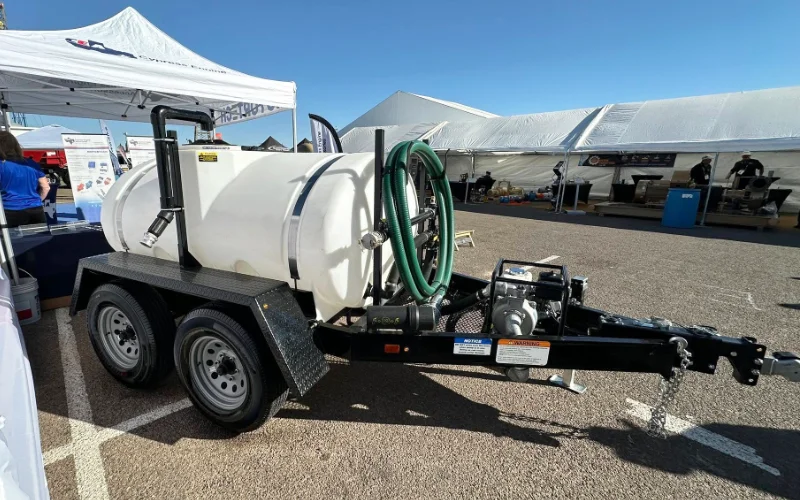
![[PRODUCT 1 ALT - compact municipal emergency response water trailer]](image-files/364-0559-525-gal-SWT525172EB-288x164-062026.webp)
Compact Emergency Response Trailer
For agencies that need a smaller trailer footprint for station yards, public works sites, and quick staging.
✓ Municipal staging fit review
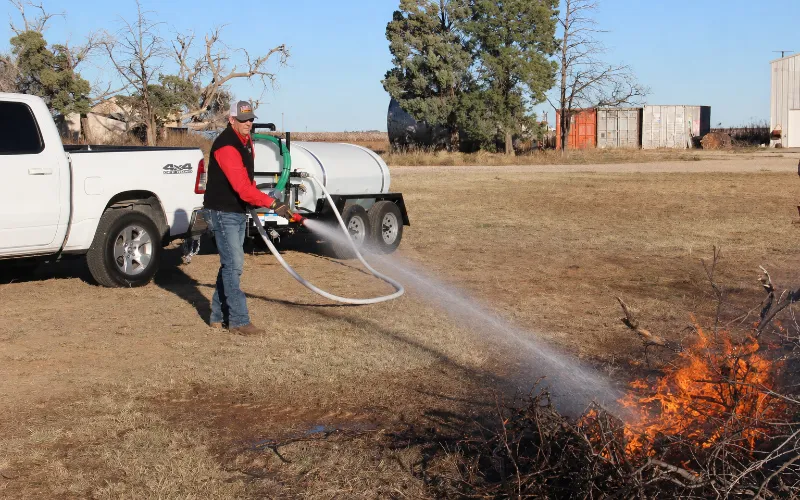
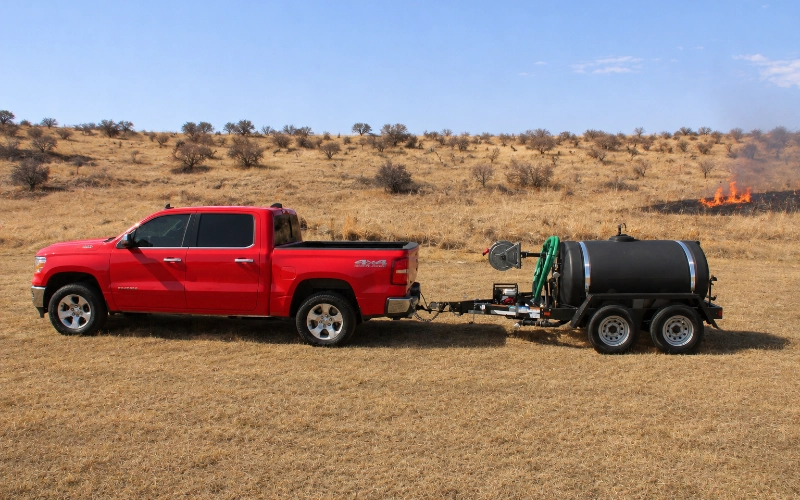
View Details![[PRODUCT 2 ALT - fire mutual aid water trailer with pump and hose planning]](image-files/364-0631-550-black-non-dot-fire-control-fire-background-800x500-052026.webp)
Fire Mutual Aid Water Trailer
For departments and response teams that need mobile water staging near fill points or hydrant-limited areas.
✓ Fire mutual aid workflow review
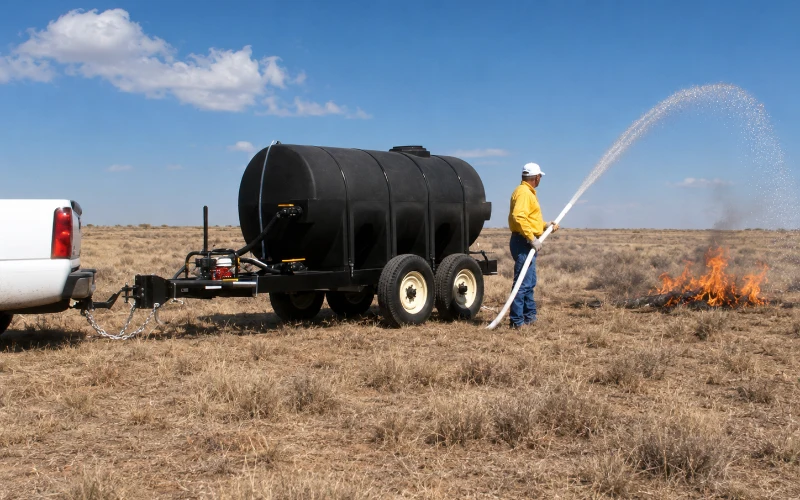
View Details![[PRODUCT 3 ALT - utility emergency water trailer for response staging]](image-files/364-0631-1025-gallon-water-distribution-800x500-062026.webp)
Utility Emergency Water Trailer
For utility crews and public works teams supporting remote assets, repair sites, and emergency work zones.
✓ Utility response planning support
View DetailsRelated guides
Frequently asked questions
A fire department mutual aid water trailer is a towable mobile water source that can be staged to support coordinated emergency response, municipal response, utility incidents, and first responder support. It does not replace fire apparatus, water tenders, trained responders, or required emergency response planning.
An emergency water trailer for fire mutual aid can help agencies stage supplemental water closer to a response area, move water between fill points and staging zones, and support operations where fixed water access is limited. Trailer selection should account for the agency plan, tow vehicle, road use, pump setup, and staging location.
Yes, utilities may use a utility emergency water trailer with fire pump capability for emergency readiness, limited fire-response support, equipment washdown, temporary water movement, and staging near remote assets or work zones. Pump, hose, nozzle, and suction needs should be confirmed against the intended use before purchase.
Municipal buyers should review where the trailer will be stored, where it can be filled, which crew will operate it, whether it will travel on public roads, and whether the tow vehicle can safely move it when loaded. They should also decide whether pump, hose, nozzle, spray, or suction capability is needed for the response plan.
An emergency response water trailer for first responders can support hydrant-limited areas, mutual aid staging, small incident support, controlled standby, and utility-linked emergencies. It should be treated as one part of a coordinated response plan, not as a complete emergency water solution.
No. A mutual aid water trailer is towable support equipment, while a water tender is typically a dedicated fire apparatus. Agencies should evaluate both options within their response plan and confirm operational requirements before choosing equipment.
A trailer should be staged where crews can access it quickly without blocking emergency vehicles, utility work zones, gates, driveways, or public works access. Good staging also accounts for the fill source, tow vehicle path, road surface, and likely incident locations.
No. A water trailer can support mobile water supply, fire mutual aid staging, municipal disaster response, and utility emergency readiness, but it does not replace trained emergency responders, fire apparatus, code-required systems, water tenders, or formal emergency planning.
Plan your emergency water support
Talk to a Sales Specialist about fire protection and emergency response water trailer options for fire departments, utilities, public works teams, and municipal disaster response.