

Water Trailer Owner's Guide
How to Maintain Your Water Trailer
A practical maintenance guide for people who already own a water trailer. Keep the tank, pump, spray system, and tow components in good shape so your trailer is ready, reliable, and safe to tow, season after season.
To maintain your water trailer, you inspect it before and after each use, keep the tank flushed and clean, service the pump and spray system, and stay on top of the tow components: tires, wheel bearings, brakes, lights, the coupler, and safety chains. The simplest way to make that stick is to split it into routines: a quick walk-around every trip, a fuller check monthly or after heavy use, and a thorough service each season. Then store the trailer clean and protected, and drain it before freezing weather.
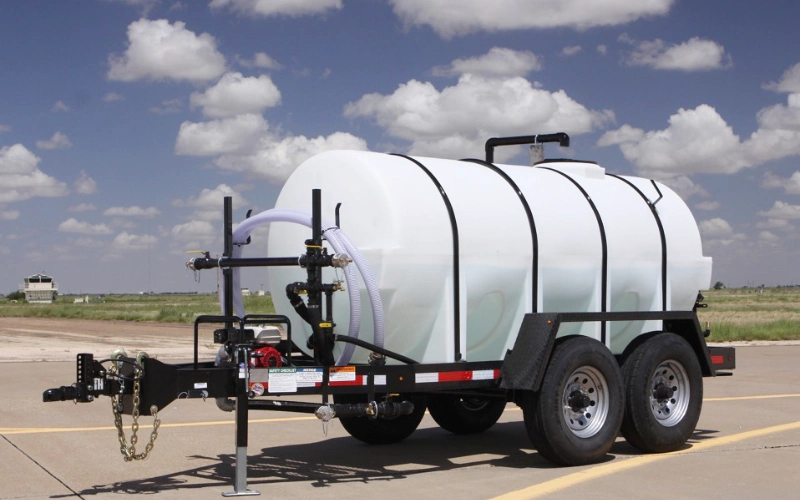
A water trailer is two pieces of equipment in one: a water system (tank, pump, hoses, valves, spray bar) and a road-going trailer (axle, tires, brakes, lights, coupler). Both need attention. Skipping the water side leads to odor, clogged nozzles, and a pump that fails when you need it; skipping the trailer side leads to roadside breakdowns and unsafe towing. This guide walks through both, with a schedule, component checklists, winterizing, and the common problems owners run into. Always follow your manufacturer's instructions for your specific trailer and pump.
Why Water Trailer Maintenance Matters
Routine maintenance is cheaper than a breakdown and far cheaper than a failure on the road. For an owner, it comes down to four things:
- Reliability. A trailer that is inspected and serviced is ready when the job comes up, instead of stranding you with a dead pump, a flat, or a tank you cannot trust.
- Safety. A loaded water trailer is heavy. Tires, wheel bearings, brakes, the coupler, and safety chains all carry that weight at speed. Neglect here is how trailers come apart on the highway.
- Equipment Life. Residue, scale, sun damage, and worn fittings shorten the life of tanks, pumps, and hoses. A little routine care protects a major investment.
- Water Quality. Standing water and dirty fittings cause odor, sediment, and growth. Regular flushing and cleaning keeps the water you deliver clean, which matters even more for potable use.
Water Trailer Maintenance Schedule
Use this as a starting framework and adjust it to how hard you run your trailer. Heavy or daily use, dusty conditions, and rough terrain all call for more frequent checks. Always defer to your manufacturer's intervals where they differ.
| How Often | What to Do |
|---|---|
| Before & After Each Tow | Walk-around for leaks and damage; check tire pressure and tread, lights, coupler, safety chains, and that the load is secure; rinse the tank and pump after use where practical. |
| Weekly / In Heavy Use | Flush the tank and lines, clear pump filters and intake screens, check spray bar and nozzles for clogs, and look over hoses and fittings for leaks or wear. |
| Monthly | Re-torque lug nuts, inspect wheel hubs for play or heat, check the brakes if equipped, lubricate the coupler and moving parts, and inspect the frame, welds, and mounts. |
| Seasonal / Annual | Service or repack wheel bearings, full brake inspection, deep-clean the tank, service the pump per its manual, inspect tires for age and dry rot, and check all electrical connections. |
| Before Storage / Winter | Drain the tank, pump, hoses, and all low points; protect the pump against freezing; clean and cap fittings; store the trailer supported and protected. |
A Routine Maintenance Run, Step by Step
This is the general order for a thorough maintenance pass. Confirm the specific products, torque values, and service steps for your trailer and pump before you begin.
-
Inspect the Whole Trailer
Walk around it. Look at the tank, fittings, hoses, valves, frame, welds, tires, lights, and coupler for damage, leaks, corrosion, or wear. Note anything that needs follow-up before you tow again.
-
Flush and Clean the Tank
Drain old water, rinse the tank and lines to clear sediment, and clean using the method approved for your tank and how the trailer is used. Keep fill caps and vents clean so debris stays out.
-
Service the Pump and Spray System
Clear filters and intake screens, check the pump for leaks and normal flow, and inspect the spray bar and nozzles for clogs or uneven spray. Never run the pump dry.
-
Check Tires and Wheels
Set tire pressure to spec, inspect tread and sidewalls for damage or dry rot, check the hubs for play or heat, and re-torque the lug nuts to the value in your manual.
-
Check Brakes, Lights, and the Coupler
Test brakes if equipped, confirm all lights and turn signals work, inspect the wiring, and check the coupler, safety chains, and breakaway system for wear and proper operation.
-
Tighten and Lubricate
Lubricate the coupler, jack, and moving parts, and confirm fasteners, brackets, and tank mounts are secure. Address anything loose before it works its way out on the road.
-
Store Correctly
Cap fittings, protect hoses and openings, and store the trailer clean and supported. Drain and winterize before freezing weather. Record what was done so the next service is easy to plan.
Component-by-Component Maintenance
Each part of the trailer has its own failure modes. Here is what to watch on the ones that matter most.
- Tank Keep it flushed and clean. Watch for residue, odor, sediment, cracks, soft spots, and sun damage. Don't let water sit through long storage.
- Pump Clear filters and screens, watch for drops in flow or pressure, and never run it dry. Follow the pump manual for oil, seals, and winterizing.
- Spray Bar & Nozzles Clog-prone. Flush after use, clear blocked nozzles, and check for an even spray pattern. Uneven spray usually means a clog or a worn tip.
- Hoses & Fittings Check for cracks, leaks, and loose clamps. Store hoses off the ground and protected. Replace anything cracked or not rated for the job.
- Valves Confirm they open, close, and seal fully. A partly closed or stuck valve is a common cause of "no flow" complaints.
- Tires Pressure to spec, inspect tread and sidewalls, and watch for age and dry rot. Trailer tires often age out before they wear out.
- Wheel Bearings Inspect and grease on schedule; repack or service seasonally. Play in the wheel, heat at the hub, or grinding means service now, not later.
- Brakes If equipped, test and inspect regularly and confirm the breakaway system works. Heavy water loads make brakes essential, not optional.
- Lights & Wiring Confirm all lights and signals work and check connectors for corrosion. A clean ground and sealed connectors prevent most trailer-light problems.
- Coupler & Chains Inspect and lubricate the coupler, check it latches securely, and confirm safety chains and the breakaway cable are sound and rated for the load.
- Frame & Mounts Look for cracked welds, rust, and loose tank straps or brackets. The frame carries the full loaded weight over every bump.
- Fill Caps & Vents Keep them secure, clean, and clear of dust, insects, and debris so contamination stays out of the tank.
Winterizing and Storing Your Water Trailer
Freezing is the single biggest off-season risk. Water left in the tank, pump, or lines can freeze, expand, and crack expensive components. Before the first hard freeze, and any time the trailer will sit for a while:
- Fully drain the tank, pump, hoses, spray bar, and every low point in the system.
- Open valves so lines can drain completely and water does not get trapped.
- Protect the pump against freezing following its manufacturer's instructions.
- Clean the tank and lines so nothing sits over the off-season, and cap the fittings.
- Store hoses off the ground, protected, and with the ends covered.
- Support the trailer, keep tires off prolonged contact with wet ground, and cover it where practical.
- For equipment that cannot be fully drained, a tank heater pad or heated storage can help protect against hard freezes.
When you bring the trailer back into service, reverse the process: inspect everything, flush and clean the tank, check the pump and spray system, and run through the tow-component checks before the first loaded trip.
Common Problems and What Usually Causes Them
Most owner headaches trace back to a short list of causes. Check the simple things first before assuming a major failure:
- Pump Loses Pressure or Flow Usually a clogged filter or screen, a partly closed valve, an air leak at a fitting, or a pump that ran low on water.
- Uneven or Weak Spray Clogged or worn nozzles, a partially blocked spray bar, or low pump output. Clear the tips and flush the bar.
- Odor or Cloudy Water Standing water left too long. Drain, flush, and clean; for potable use, sanitize before the next fill.
- Wheel Runs Hot or Has Play Wheel bearing wear or lack of grease. Stop towing and service the hub before it fails on the road.
- Trailer Lights Out or Flickering Corroded connectors, a bad ground, or damaged wiring. Clean and seal connections and check the ground.
- Leaks at Fittings or Hoses Loose clamps, worn seals, or cracked hoses. Tighten, reseal, or replace the affected part.
- Cracked Tank or Lines After Winter Water left in the system through a freeze. Prevent it by fully draining and winterizing every fall.
- Frozen or Stuck Pump Trapped water or a pump that was not protected for storage. Follow the pump manual for thawing and recommissioning.
Parts, Accessories, and When to Upgrade
Good maintenance is easier with the right parts on hand. Wear items like nozzles, filters, hoses, caps, and fittings are worth keeping in stock so a small problem does not sideline the trailer. You can browse common replacement parts on our water trailer parts and accessories page.
If a trailer is constantly fighting you, sometimes the issue is fit rather than upkeep. A trailer that is undersized for the load, too small for the towing setup, or missing brakes for its weight will always feel high-maintenance. Our water trailer sizing guide and towing and capacity guide can help you decide whether to keep maintaining what you have or step up to the right configuration. If you run a potable trailer, pair this page with our guide on sanitizing a potable water trailer, and for spray-application owners, see the spray bar coverage guide.
Frequently Asked Questions
Inspect the trailer before and after each use, keep the tank flushed and clean, service the pump and spray system, and stay on top of the tow components: tires, wheel bearings, brakes, lights, the coupler, and safety chains. Build short checks into every trip and larger checks into a monthly and seasonal routine, and store the trailer clean and protected. Always follow your manufacturer's instructions for your specific trailer.
Do a quick walk-around before and after every tow, a fuller check monthly or after heavy use, and a thorough service seasonally or annually, including wheel bearings, brakes, and the spray system. How often depends on how hard and how often the trailer is used, so heavy or daily use calls for more frequent service.
Keep filters and intake screens clear, check hoses and fittings for leaks, watch for drops in flow or pressure, and never run the pump dry. Drain and protect the pump before freezing weather. Follow the pump manufacturer's instructions for service intervals and any oil, seals, or winterizing steps specific to your pump.
Fully drain the tank, pump, hoses, spray bar, and any low points so no water is left to freeze and crack the system. Open valves to let lines drain, protect the pump per its instructions, and store the trailer clean with fittings capped. In hard-freeze conditions, a tank heater pad or heated storage can help protect equipment that cannot be fully drained.
Drain old water rather than letting it sit, rinse the tank and lines, and clean using the method approved for your tank and how the trailer is used. Keep fill caps and vents closed and clean so dust, insects, and debris stay out. A potable trailer needs a stricter sanitizing routine before it carries drinking water.
Tank condition and cleanliness, fill caps and vents, hoses and fittings, valves, the pump and spray system, tire pressure and tread, wheel bearings, brakes if equipped, lights and wiring, the coupler and safety chains, frame and welds, and storage and winterizing. Re-torque lug nuts after wheel service and before towing.
Common causes are a clogged filter or intake screen, a partially closed valve, air leaks at fittings, a worn or damaged hose, or a pump that has been run low on water. Check the simple items first, clear any screens, confirm valves are open, and inspect for leaks before assuming the pump itself has failed.
Yes. Wheel bearings need periodic inspection and greasing, and they should be repacked or serviced on the schedule in your trailer's manual. A loaded water trailer is heavy, so neglected bearings are a common cause of roadside failures. Watch for play in the wheel, heat at the hub after towing, or grinding noises.
For short periods between jobs it is usually fine, but standing water over long storage invites odor, sediment, and growth, and water left through a freeze can crack the tank, pump, or lines. If the trailer will sit, it is better to drain it, and you should always drain it before freezing weather.
Related Guides
About This Guide: This page summarizes general best practices for maintaining a water trailer. It is not a substitute for your equipment manufacturer's instructions or your trailer and pump owner's manuals. Service intervals, torque values, lubricants, winterizing steps, and brake and bearing procedures vary by trailer and component. Confirm the correct specifications and procedures for your specific equipment before performing any maintenance, and have qualified service performed where required.
Need Parts or Service Help?
Talk to a specialist about replacement nozzles, filters, hoses, fittings, or anything else to keep your water trailer running.
Call us now! 1-863-261-8388Time for a Bigger or Better Trailer?
If maintenance can't keep up with the workload, it may be time to size up. Talk to a specialist about the right water trailer for your job.
Request a Quote