

Potable Water Maintenance Guide
How to Sanitize a Potable Water Trailer
A practical guide for municipal maintenance leads, public works crews, and utility teams on cleaning, disinfecting, storing, and inspecting a potable water trailer so it stays safe for drinking water use.
To sanitize a potable water trailer, you clean and disinfect every surface that touches drinking water, then rinse, refill from an approved potable source, and protect the openings before storage. In practice that means inspecting the tank, fittings, hoses, valves, caps, and fill points, draining any remaining water, rinsing with clean water, applying the approved sanitizing method for your trailer and application, allowing the proper contact time, draining and rinsing again, then refilling and keeping everything capped and protected.
The exact products, dilution, and contact time depend on your equipment, your water source, and your local requirements, so always confirm the right procedure for your trailer before you start. Sanitation is not a single one-size-fits-all step. It depends on the tank, fittings, hoses, valves, fill points, and how the trailer is handled. This guide walks through the full cleaning, disinfection, storage, and inspection cycle so a trailer stays dependable for municipal and public works drinking-water needs.
Why Potable Water Trailer Cleaning Matters
A potable water trailer moves and stores drinking water, so cleanliness is not optional. Skipping cleaning or maintenance has real consequences:
- Water Quality. Standing water in tanks, hoses, and fittings can develop odor, taste problems, sediment, and biological growth. Regular cleaning helps keep delivered water clean.
- Public Trust and Safety. When a trailer supports drinking-water needs, the people downstream are relying on that water. Routine sanitation reduces the risk of putting compromised water into service.
- Equipment Life. Residue, scale, and worn or sun-damaged fittings shorten the working life of tanks, pumps, and hoses. Routine care protects the investment.
- Operational Readiness. A trailer that is cleaned, inspected, and stored properly is ready when an outage or public works need comes up, instead of needing a last-minute scramble.
When to Clean or Sanitize a Potable Water Trailer
Build cleaning and disinfection into your routine, and plan for the situations that call for it specifically:
- Before First Use Sanitize a new or newly assigned trailer before it carries drinking water.
- After Long Storage Time in storage lets dust, debris, and growth build up in the tank and lines.
- Between Potable Jobs Reset the trailer between drinking-water assignments.
- After Suspected Contamination Take the trailer out of service and sanitize before it is used again.
- After New Hoses or Fittings New components should be cleaned and confirmed potable-rated before use.
- Before Seasonal or Public Works Use Prepare the trailer before a new season or a municipal rollout.
How to Sanitize a Potable Water Trailer Step by Step
This is a general workflow. Confirm the correct products, dilution, contact time, and discharge rules for your trailer and your jurisdiction before you begin.
-
Inspect Before You Start
Check the tank interior, fittings, hoses, valves, caps, and fill points for damage, residue, or wear. Replace anything that is cracked, worn, or not rated for potable use.
-
Drain the Tank
Open the drains and empty any remaining water fully before you clean.
-
Rinse With Clean Water
Flush the tank and lines with clean water to clear loose sediment and debris.
-
Apply the Approved Sanitizing Method
Use the disinfection method approved for your trailer and application. Follow the product directions and your local requirements for concentration and handling. Open the outlets so the solution reaches all interior surfaces and lines.
-
Allow Contact Time
Close the system and let the sanitizing solution contact all interior surfaces for the time specified by your approved procedure.
-
Drain and Rinse Again
Discharge the solution responsibly and in line with local rules, then rinse with potable water until it meets your refill standard. Some jurisdictions require dechlorination before discharge, so confirm before draining.
-
Refill From an Approved Source
Refill the tank using an approved potable water source.
-
Protect and Store
Cap fittings and fill points, protect hoses and openings, and keep the system clean until the next deployment. Record what was done and when, where your crew procedures call for documentation.
Maintenance Checklist for Potable Water Trailers
Run through these points as part of routine inspection and before the trailer goes back into service.
| Area | What to Check |
|---|---|
| Tank Condition | Interior cleanliness, residue, odor, sediment, cracks, or soft spots |
| Fill Caps and Vents | Secure, clean, and free of dust, insects, or debris |
| Hoses | Potable-rated, undamaged, stored clean and off the ground |
| Valves and Fittings | Correct type for potable use, compatible, sealing properly, no leaks |
| Pump Components | If equipped, operating normally with no unusual noise or loss of flow |
| Signs of Trouble | Odor, residue, discoloration, cracking, or any sign of possible contamination |
| Storage Location | Clean, protected, and away from contamination sources |
| Refill Practices | Approved potable source, capped connections, inspected before filling |
| Documentation | Crew procedures and records kept where applicable |
Storage and Refill Practices
Storage is where a lot of contamination problems start. Caps left off, hoses left on the ground, and openings left exposed all invite dust, insects, and debris into a system that has to stay drinking-water clean. A few practical habits go a long way:
- Drain the tank when appropriate rather than leaving water standing for long periods without a plan.
- Keep fittings and fill points capped.
- Store hoses off the ground and protected.
- Protect all openings from dust, insects, and debris.
- Inspect the trailer before refilling.
- Use an approved potable water source for potable applications.
- Keep potable-use components separate from non-potable equipment.
Common Mistakes to Avoid
Most of these come down to assumptions. A little verification prevents them:
- Assuming Clean Means Potable-Safe A trailer can look clean and still need disinfection before drinking-water use.
- Using the Wrong Hoses or Fittings Hoses and fittings not intended for potable water can contaminate clean water.
- Storing Hoses Uncovered Open hose ends pick up dust, insects, and debris between jobs.
- Skipping the Pre-Refill Inspection Filling without checking the tank and connections risks putting contamination back into service.
- Leaving Water in the Tank Too Long Standing water through long storage without a plan invites growth and odor.
- Mixing Potable and Non-Potable Uses Sharing equipment between uses defeats the purpose of potable handling.
- Claiming Sanitation Without Records Do not state that a procedure was followed without documentation to back it up.
Where Potable Water Trailers Fit
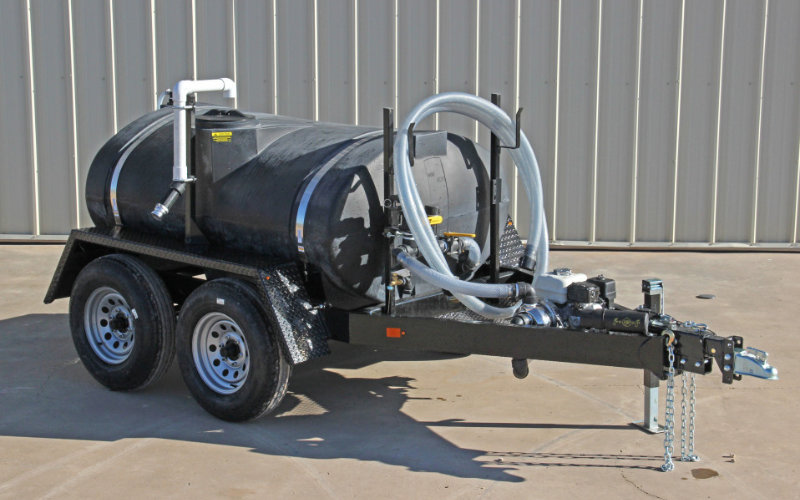
Potable water trailers can support municipal potable water transport, outage response, temporary drinking water access, and public works applications, as long as they are properly maintained and handled. They are not maintenance-free. The right trailer for the job depends on capacity, configuration, and how it will be used. A compact 550 gallon water trailer suits tighter sites and lighter duty, an 800 gallon water trailer adds capacity for crews and full-day work, and an NSF Water Buffalo trailer scales from 550 to 2,010 gallons for bigger transport and sustained response. Whatever the size, the care described on this page is what keeps a trailer safe for drinking water service.
To compare configurations, see our potable water trailer options and potable water transport options. For a broader overview, our municipal potable and public works water trailers page covers the full range.
Frequently Asked Questions
Inspect the tank, fittings, hoses, valves, and fill points, drain and rinse, apply the disinfection method approved for your trailer and application, allow the proper contact time, drain and rinse again, then refill from an approved potable source and keep openings protected. Confirm the right products and procedure for your equipment and local requirements before you start.
Before first use, after long storage, between potable jobs, after a suspected contamination event, after installing new hoses or fittings, and before seasonal or public works drinking-water deployment.
Chlorine-based disinfection is a common method for potable water tanks. Use only products approved for potable water use and follow the directions for that product and your equipment. Confirm the correct approach for your trailer and local requirements rather than assuming one procedure fits every situation.
Inspect for residue, odor, or debris, drain any standing water, rinse with clean water, then sanitize using the approved method before refilling from a potable source. Check caps, hoses, and fittings, since storage is where contamination often gets in.
Tank condition and interior cleanliness, fill caps and vents, hose condition, valve and fitting condition, pump components if equipped, signs of odor or residue or cracking, storage location, refill practices, and crew documentation where applicable.
Yes. Keep potable-rated hoses and fittings separate from non-potable equipment, store them off the ground, and keep the ends capped or protected so they stay clean between jobs.
Do not assume a trailer is safe for drinking water just because it has been used for water. A trailer used for non-potable purposes needs proper cleaning, disinfection, and potable-rated components before potable use, and not every trailer is suited for conversion. Confirm suitability before putting one into drinking-water service.
Check the tank interior, caps, vents, hoses, valves, and fittings for cleanliness and damage, confirm potable-rated components, and verify the refill source is an approved potable supply.
Related Guides
![[POTABLE TRAILER ALT]](image-files/364-0631-1025-express-red-truck-800x600.webp)
![[PILLAR ALT]](image-files/364-0630-550-dot-municipal-and-public-works-800x500-062026.webp)
About This Guide: This page summarizes general best practices for cleaning, disinfecting, and maintaining a potable water trailer. It is not a substitute for your equipment manufacturer's instructions or the requirements of your local health and water authority. Sanitation products, procedures, contact times, and documentation requirements vary by trailer and by jurisdiction. Confirm the correct procedure for your equipment and the rules that apply in your area before putting any process into operation.
Need Help With a Potable Water Trailer?
Talk to a Sales Specialist about cleaning, maintenance, or the right potable water trailer for municipal water transport, outage response, and public works drinking-water needs.
Call us now! 1-863-261-8388Researching Potable Water Trailer Options?
Maintenance burden starts with the right trailer. Talk to a Sales Specialist about your application before you buy.
Request a Quote