

Municipal street tree watering trailer
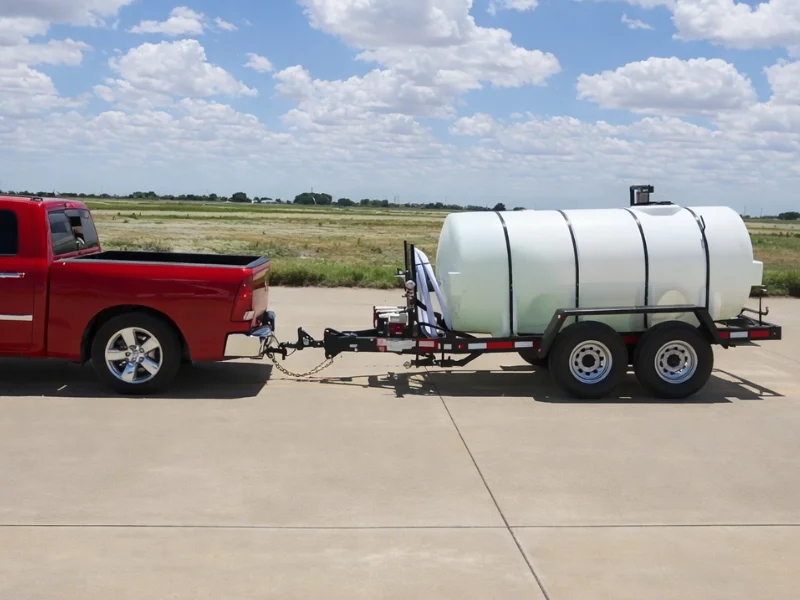
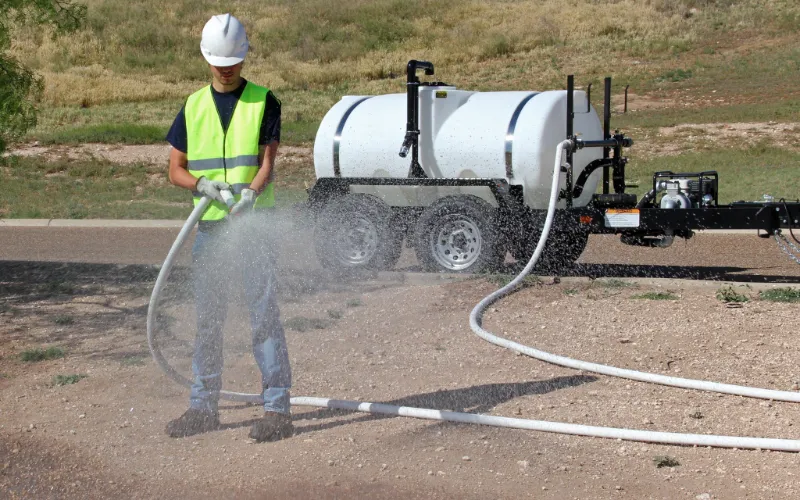
Public works and parks crews often have to keep street trees, medians, and park beds alive in places where there is no irrigation line and no hydrant within reach. A municipal street tree watering trailer gives a crew a towable water supply they can pull from site to site along a route, so watering gets done without waiting on fixed infrastructure.
When City Trees and Medians Have No Water Source Nearby
Newly planted street trees, median plantings, park beds, and plaza greenery all need consistent water through their first seasons and through dry spells. Many of these sites sit far from any irrigation line, and the nearest hydrant may be restricted or simply too far to run hose. When a crew cannot get water to a site on schedule, young trees stress, replacement costs climb, and complaints come in from residents and council offices. Most public works and parks teams are not trying to build permanent irrigation across every median; they need a practical way to carry water to scattered sites and keep a watering route moving.
What This Trailer Needs to Do
Route-based municipal watering puts specific demands on the equipment. The points below tie what crews run into in the field to what the trailer has to handle.
- Tow behind a fleet vehicle Crews already run pickups and utility trucks, so the trailer should hitch to a vehicle the department owns and move between sites without a dedicated hauler.
- Carry enough water for the route Refilling is the slowest part of the day, so capacity should be matched to how many sites sit between refill points, not just to a single stop.
- Reach trees, turf, beds, and planters A route mixes establishment watering for young trees with top-ups on turf and beds, so the watering setup has to switch between a slow root-zone soak and a wider spread.
- Maneuver in medians and tight roadside spots Medians, plaza edges, and street-side plantings leave little room, so a footprint that tracks cleanly behind the tow vehicle matters more than raw size.
- Refill from whatever source is available Routes pull from hydrants, shop spigots, or other approved sources depending on the day, so flexible filling keeps the crew from driving back to one fixed point.
- Work safely around traffic and pedestrians Much of this watering happens in live roadway and public space, so a setup that lets a crew work quickly and visibly reduces exposure to passing traffic and foot traffic.
How to Choose the Right Trailer
For municipal watering, the variables that actually decide the right trailer are route length, what is being watered, and how tight the access is at each stop. Capacity and the watering setup follow from those.
Short Routes and a Few Sites
If a crew covers a handful of nearby sites and can refill easily, a smaller-capacity trailer keeps the rig light, simple to tow, and easy to maneuver in tight medians.
Long Routes or Many Stops
When the route stretches across the city with limited refill points, a larger-capacity trailer cuts the number of refill trips and keeps the crew watering instead of driving back and forth.
Mixed Trees, Turf, and Beds
Routes that combine young-tree establishment with turf and bed top-ups call for a watering setup that switches between a gentle root-zone soak and a broader spread, so prioritize the spray and hose configuration over raw tank size.
If your watering leans more toward beds, turf, and ornamental plantings than street trees, our irrigation water trailer options and landscaping water tank trailers cover those setups.
Recommended Trailers for Municipal Watering Routes
These options cover the range most public works and parks crews need, from light, easy-to-tow rigs for short routes to higher-capacity trailers for long routes with few refill points.
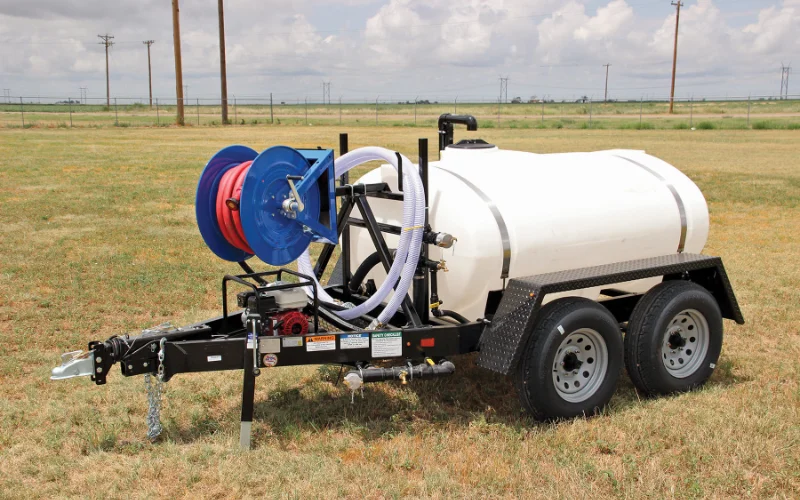
550 Gallon Water Trailer
Light and easy to tow for short routes and tight median work where refills stay close by.
✓ DOT-compliant, with pump, hoses, and spray bar
View Details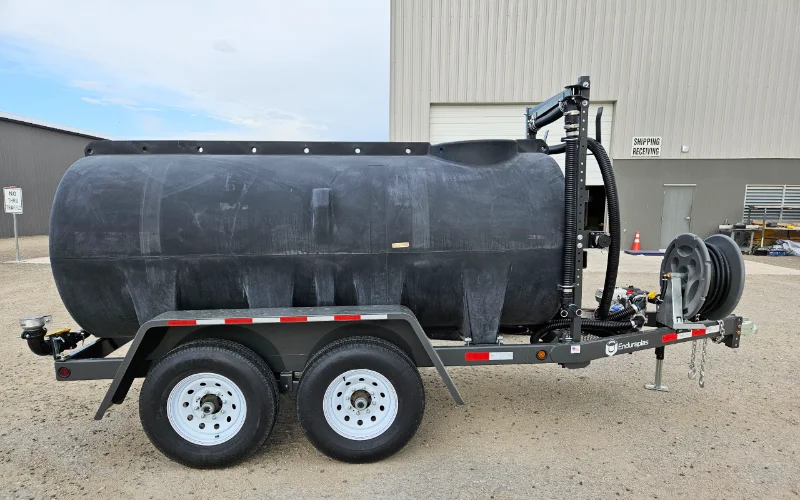
1010 Gallon Water Tank Trailer
More water per fill for long city routes with few refill points, so crews spend the day watering, not driving back.
✓ DOT-compliant, fully draining tank with tandem axles
View Details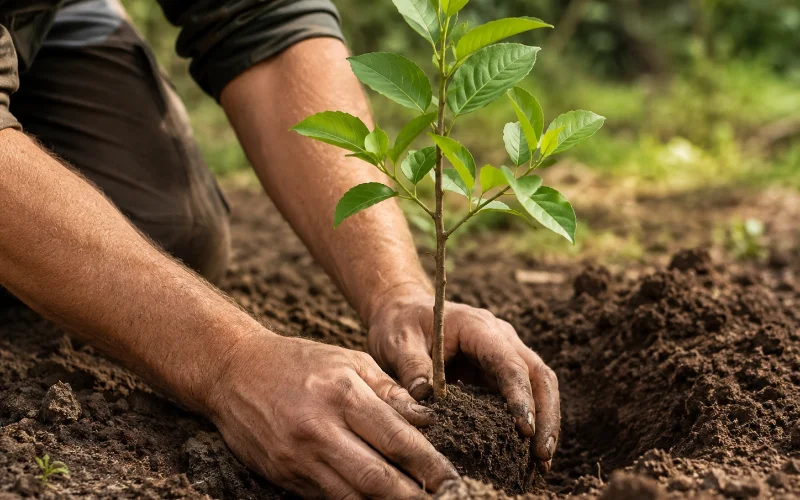
Landscaping Water Tank Trailer
For departments running heavy establishment watering or large park systems that need extended reach between refills.
✓ DOT-compliant, available up to 1,600 gallons
View DetailsRelated Guides
![[VERIFY: potable water trailer sanitation thumbnail alt]](image-files/water-delivery-800x500-062026.webp)
Frequently Asked Questions
It is a towable water tank that a public works or parks crew pulls behind a fleet vehicle to water street trees, medians, parks, and other public plantings along a route. It gives crews a mobile water source for sites where permanent irrigation or nearby hydrant access is limited.
Crews carry water to each site with a towable trailer and work a watering route, refilling from hydrants or a shop source as they go. The trailer lets them keep newly planted and established street trees watered without building permanent irrigation at every location.
Yes. The same towable setup serves parks, medians, plazas, and roadside plantings. Because median and street-side access is often tight, a trailer that tracks cleanly behind the tow vehicle is easier to position safely in those spots.
Plan around the number of sites on the route, total route length, access width at each stop, tow vehicle availability, where the trailer can refill, what is being watered, how often the route runs, and how crews will work safely around traffic and pedestrians.
The core equipment is the same towable tank and watering setup. The difference is the use: a municipal watering trailer is built around route-based watering of public assets like street trees and medians, while landscape setups focus more on beds, turf, and ornamental plantings. For those, see our landscaping water tank trailers.
Yes. Newly planted street trees need consistent water while they establish, and a trailer lets a crew deliver a slow soak at the root zone on a regular schedule. Watering frequency varies by species, soil, and weather, so follow your municipality's arborist guidance and use the trailer to keep that schedule on a route.
Ready to Move?
Tell us your route and what you are watering, and we will help you match a trailer and get you a quote.
Request a QuoteStill Deciding?
Not sure what capacity or watering setup fits your route? Talk it through with a Sales Specialist and we will point you to the right trailer, no pressure.
Talk to a Specialist