

Potable Water Trailer for Utility Shutdowns
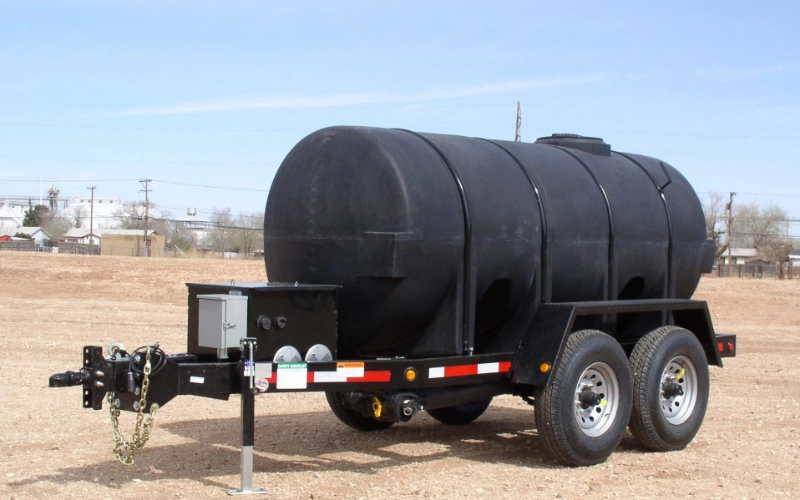
A potable water trailer for utility shutdowns gives public works crews a mobile way to keep drinking water available during planned outages, water main repairs, and service interruptions.
What Public Works Crews Face During a Utility Shutdown
When a planned utility shutdown, water main repair, or unscheduled service interruption takes a section of the system offline, residents, crews, and worksites in the affected area lose normal drinking water access until the work is complete. Public works departments need a mobile potable water supply for utility crews that can be staged near the affected area, refilled on a known schedule, and dispensed in a controlled way. Without a plan, temporary drinking water becomes another logistics problem layered on top of the repair itself. A potable water trailer for utility shutdowns turns that logistics problem into a manageable part of the work order.
Key Requirements for a Potable Water Trailer for Utility Shutdowns
Temporary drinking water support during a utility shutdown takes more than a tank with water in it. The setup has to be staged, filled, dispensed from, and managed in a way that keeps drinking water safe, fits the repair window, and stays clear of the work area. The bullets below cover the requirements that matter most for utility repair work.
- ✓ NSF/FDA compatible components Potable applications should use a drinking water-safe tank with NSF/FDA compatible components and fittings, with the trailer reserved for potable service rather than mixed with non-potable uses.
- ✓ Capacity matched to the outage Trailer setups are commonly configured at 550, 800, 1,000, 1,010, 1,600, and 2,010 gallons, while skid-mounted sprayers cover a 50 to 1,025 gallon range for various applications, so crews can match capacity to the number of access points, refill plan, and expected duration.
- ✓ Controlled dispensing A practical dispensing setup may include an outlet, hose, hose reel, pump, or spray-gun arrangement, depending on how crews plan to distribute water at the shutdown site.
- ✓ Reliable refill planning Before the shutdown begins, the crew should know where the trailer will be filled, who will manage refills, and how often the water supply may need to be replenished during the outage.
- ✓ Safe staging location The trailer should be placed close enough for access but far enough from excavation, traffic, equipment paths, and active repair work to avoid interfering with the utility crew.
- ✓ Potable-use handling Crews should plan filling, staging, dispensing, cleaning, and protection of the water supply before the service interruption begins so temporary potable distribution is handled consistently from setup to teardown.
Sizing a Potable Water Trailer for Your Shutdown
For utility shutdowns, sizing depends on the scope of the interruption, the number of people needing drinking water access, the refill distance, and available staging space. Trailers run 550 to 2,010 gallons, and skid-mounted sprayers run 50 to 1,025 gallons. The scenarios below cover the most common shutdown setups.
Short Planned Shutdowns
For brief service interruptions, single access points, or smaller public works temporary water supply needs, 550 to 800 gallon trailer setups provide useful reserve capacity without requiring the largest trailer footprint. This is also a common fit for potable water delivery during planned outages where the affected area is contained.
Truck-Mounted Water Support
For crews with a suitable tow vehicle, skid-mounted sprayers across a 50 to 1,025 gallon range can provide mobile water support with a pump, suction hose, spray bar, and optional hose reel. Skids fit well when the same equipment serves multiple public works tasks across the season.
Larger Outages and Main Repairs
For larger planned outages, water main repairs, or service interruptions affecting several access points, 1,000 to 2,010 gallon trailer setups provide higher-capacity water support for longer staging windows. This is a common pick when crews need a drinking water trailer for water main repair work spanning multiple shifts.
Recommended Potable Water Trailers for Utility Shutdowns
Temporary potable water distribution works best when the equipment matches the access point, service duration, and refill plan. The options below support short-term drinking water access, dedicated potable staging, and larger public works water delivery during planned outages, water main repairs, or service interruptions.

550 Gallon Potable Water Trailer
Best for short planned outages, smaller access points, and temporary drinking water delivery to remote sites.
✓ Potable use for municipal and remote sites
View Details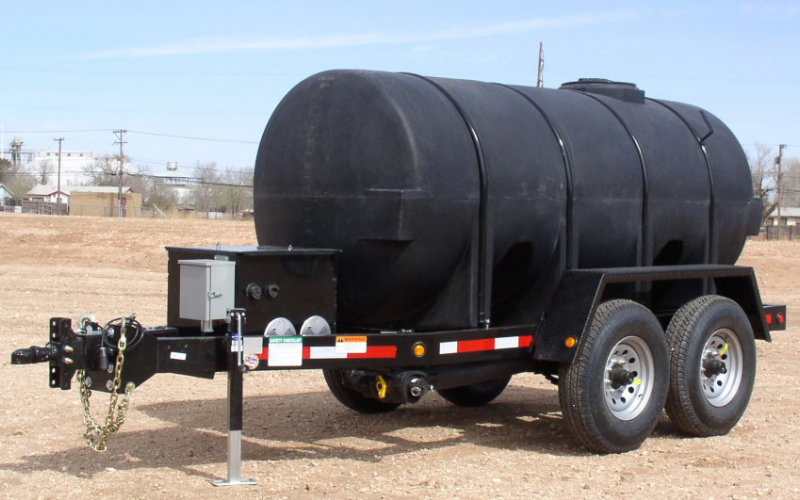
Water Buffalo Trailer
Best for dedicated drinking water staging when crews need a trailer built around potable water requirements.
✓ NSF-compliant tank with DOT trailer options
View Details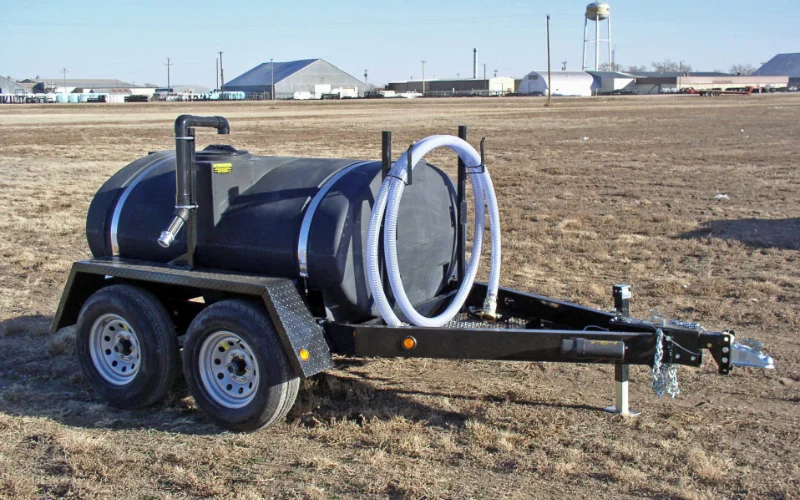
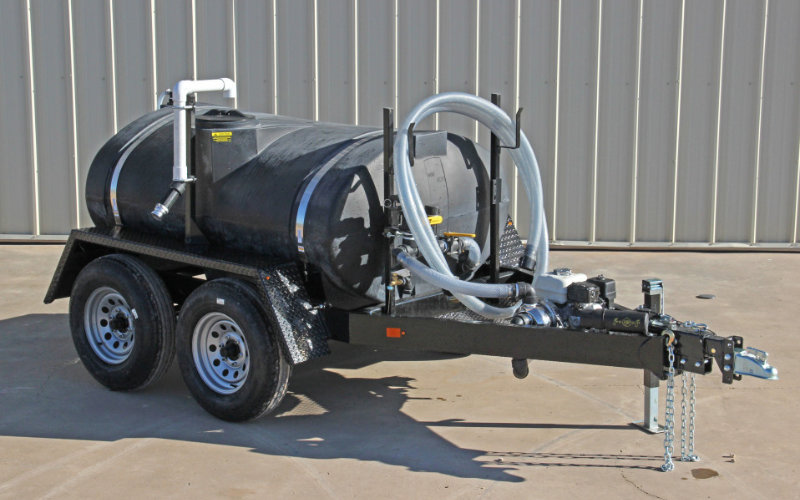
Water Hauling Trailers
Best for larger public works water delivery, cistern fills, and multi-point potable water staging.
✓ Potable-ready, 550 to 2,010 gallon range
View DetailsRelated Potable Water Transport Guides
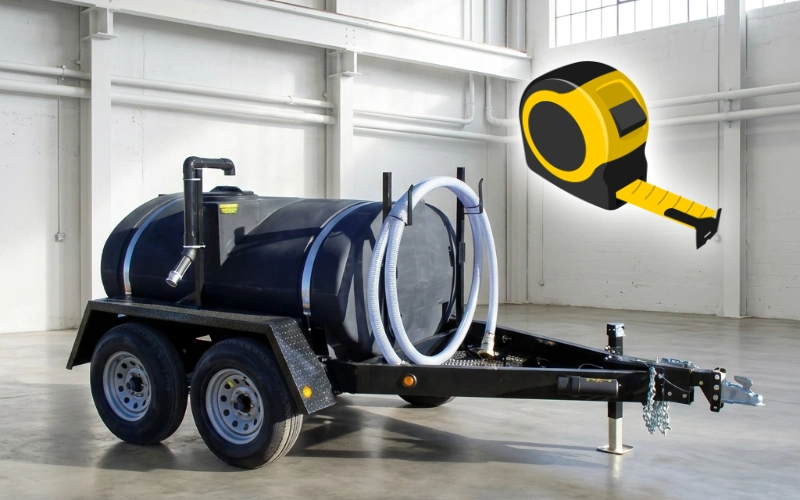
For broader planning, review municipal potable and public works water trailers, or explore potable water trailer options for cistern fills, repair shutdowns, festivals, and emergency response.
Frequently Asked Questions
A potable water trailer is used to stage or distribute temporary drinking water when normal service is unavailable during a planned utility shutdown. For larger delivery needs, water transport trailers for potable water delivery can help public works crews support residents, crews, or temporary access points during the interruption.
Yes. During water main repairs, a potable water trailer can help provide temporary drinking water access while the repair area is isolated or service is interrupted. Crews should choose a trailer size based on the expected outage duration, refill distance, and number of people or access points served.
Public works crews usually start by identifying where the trailer will be staged, how it will be filled, how water will be dispensed, and who will manage refills. A 550 gallon potable water trailer can fit smaller access points, while higher-capacity water transport trailers may be better for larger planned outages.
Yes. A potable water trailer should be configured and handled for drinking water service, while a standard water trailer may be used for non-potable jobs such as dust control, spraying, or general water hauling. For utility shutdowns, confirm that the tank, fittings, hoses, and handling plan are appropriate for potable water use.
The best size depends on outage duration, number of users, refill access, and available staging space. Smaller 550 to 800 gallon setups can support shorter service interruptions, while 1,000 gallon and larger trailers may be better for water main repairs, events, or multi-point public works service.
Yes. During a boil-water advisory or unannounced municipal water outage, a properly handled potable water trailer can stage drinking water at affected addresses, public buildings, or temporary distribution points until normal service is restored. Public works crews should confirm the tank, fittings, and hoses are dedicated to potable use before deployment, and follow local guidance for handling and refill.
Plan Your Utility Shutdown Water Supply
Talk to a Sales Specialist about a potable water trailer for utility shutdowns, water main repairs, planned outages, and public works service interruptions. We will help you scope the right trailer or skid setup for your project.