

How Often to Water a Horse Arena
A riding arena needs steady moisture to keep dust down and footing consistent, but there is no single schedule that works everywhere. How often you water depends on your footing, your weather, and how hard the arena is ridden.
How Often to Water a Horse Arena
There is no universal answer to how often to water a horse arena, because the right frequency depends on conditions that change from one facility to the next. Footing material, temperature and humidity, wind and sun exposure, drainage, daily riding traffic, and whether the arena is indoor or outdoor all affect how quickly the surface dries out and how often it needs water.
Some arenas hold moisture well and only need water every day or two. Others, especially open outdoor arenas in hot, dry, or windy conditions, can dry out and start producing dust within hours. As a general starting point, many facilities water before the main riding period and add lighter passes as the surface dries, but treat that as a place to begin rather than a fixed rule. The most reliable approach is to read the surface, watch for dust and dry patches, and adjust your watering routine to match the footing, the season, and how the arena is used.
What Affects How Often an Arena Needs Water
Several conditions push an arena toward more frequent or less frequent watering. Understanding them helps you anticipate dust before it becomes a problem rather than reacting after the surface is already dry.
- Indoor vs. outdoor conditions Indoor arenas are sheltered from sun and rain, so moisture can last longer, but they also miss natural humidity and rainfall and can build fine dust over time. Outdoor arenas dry faster in sun and wind but may get help from rain.
- Footing material Different footing blends hold and release moisture differently, which changes how long water stays in the surface.
- Temperature and humidity Hot, dry air pulls moisture out of footing quickly, while cool or humid conditions slow drying.
- Wind and sun exposure Direct sun and steady wind speed up evaporation, especially on outdoor surfaces.
- Drainage A surface that drains quickly may need more frequent watering than one that holds moisture longer.
- Daily riding traffic Heavier use breaks up the surface and releases more dust, which raises how often you water.
- Events and heavy-use periods Shows, clinics, and busy lesson days work the footing harder and usually call for extra watering.
- Dust level Visible dust during riding is a direct signal that the surface needs moisture.
- Desired footing moisture The feel and performance you want from the footing sets the moisture target you are watering toward.
Signs the Arena Needs Water
You do not need instruments to tell when an arena is getting too dry. A few practical signs show up during normal use:
- Visible dust rising during riding.
- Footing that feels loose or inconsistent underfoot.
- Dry patches appearing across the surface.
- Moisture that no longer holds evenly from one area to the next.
- Horses and riders kicking up dust as they work.
- Footing that separates or becomes harder to drag and manage.
When you start seeing these signs, the surface is usually past the point where light, routine watering would have kept it consistent, so it helps to water before they appear.
Building a Horse Arena Watering Schedule
A workable horse arena watering schedule is less about a fixed clock and more about a routine you adjust as conditions change. The goal is to keep the footing at a consistent moisture level instead of letting it swing between dusty and overwatered.
- Check the arena before each use and look for dust or dry patches.
- Water before dust becomes excessive rather than waiting until riding stirs it up.
- Adjust your watering based on the day's weather and how much riding is planned.
- Use lighter, more frequent watering when the surface dries quickly, rather than one heavy soak.
- Monitor recurring dry spots and give them extra attention.
- Add watering around events, lessons, and heavy riding days.
- Record what works for your footing in each season so you can repeat it.
Arena Watering Technique for Even Coverage
How you apply water matters as much as how often. Arena watering technique for even coverage keeps the whole surface consistent. Overwatering some areas while under-watering others creates soft spots, hard spots, and footing that rides differently from one end to the other.
- Apply water evenly across the full surface instead of soaking a few areas.
- Avoid leaving puddles, which create soft spots and uneven drying.
- Overlap your passes so you do not leave dry strips between them.
- Keep a consistent travel speed so each pass lays down a similar amount of water.
- Pay extra attention to corners and high-traffic lines, which often dry first.
- Use a spray bar or controlled spray pattern where appropriate for more even distribution.
Recommended Trailers for Arena Watering
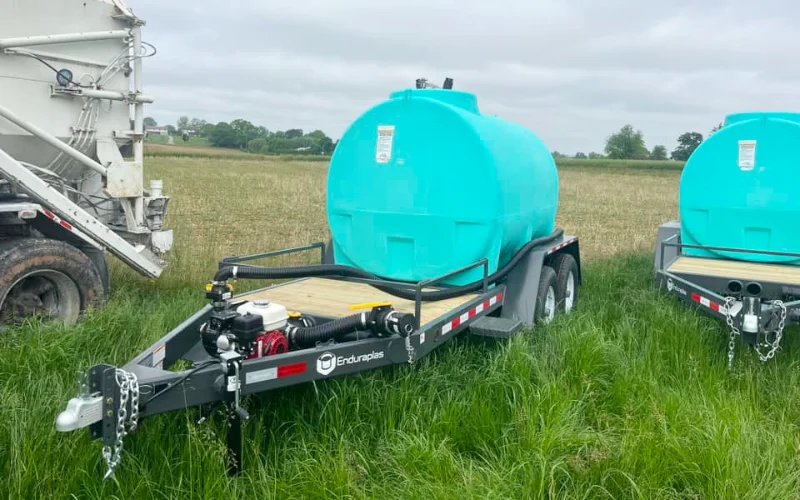
Agricultural and equestrian water trailers can support horse arena watering, arena dust control, footing moisture management, and routine riding surface care by carrying water to the arena and applying it evenly across the surface. The right option depends on your arena and how you operate; smaller arenas and lighter routines may suit small-capacity trailers, while larger arenas and busier facilities may lean toward higher-capacity trailers. For related approaches, see arena dust control, horse arena water trailer options, and water tank trailers for dust control.
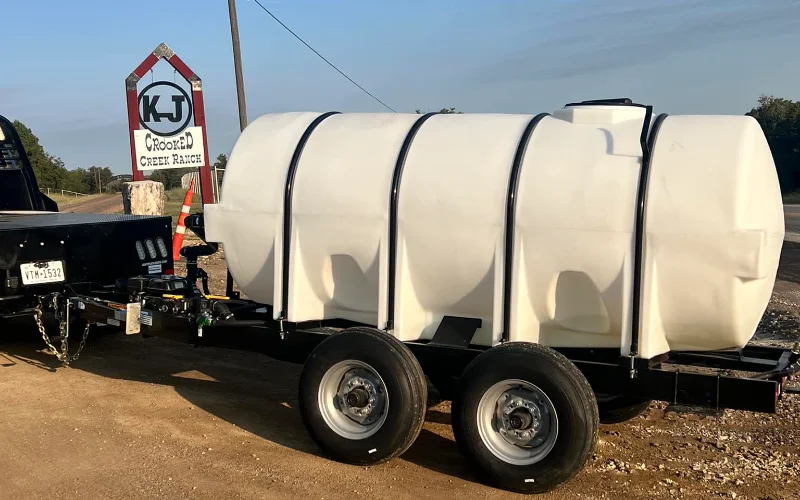
1,025 Gallon Arena Trailer
More capacity between refills for larger arenas or multi-ring facilities that need extended coverage.
✓ Made in the USA
View Details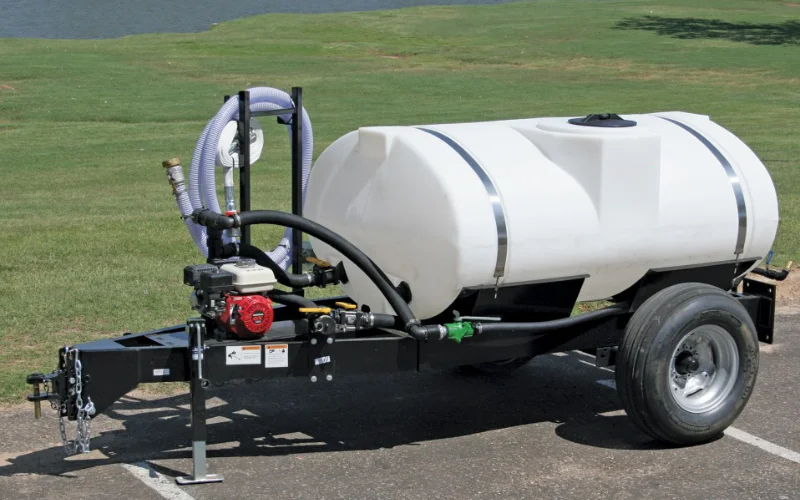
500 Gallon Horse Arena Sprayer Trailer
A compact, maneuverable option for smaller arenas, corrals, and tighter indoor spaces.
✓ Made in the USA
View Details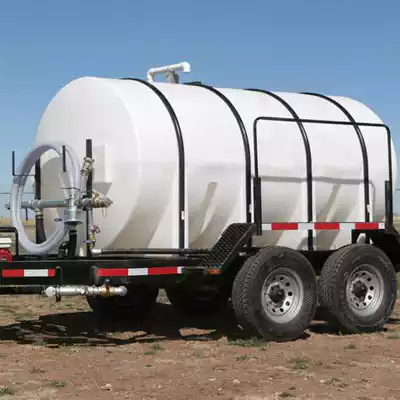
1,600 Gallon Sprayer Trailer
A higher-capacity tandem option for large outdoor arenas, busy facilities, or watering more than one surface.
✓ Made in the USA
View DetailsRelated Guides
Frequently Asked Questions
There is no single schedule that fits every arena. How often you water depends on the footing material, weather, riding traffic, drainage, and whether the arena is indoor or outdoor. Some arenas hold moisture for a day or more, while open outdoor arenas in hot, dry, or windy conditions can dry out and start producing dust within hours. Read the surface, watch for dust and dry patches, and adjust your routine to match conditions.
A good horse arena watering schedule is a routine you adjust rather than a fixed clock. Check the arena before use, water before dust becomes excessive, adjust for the day's weather and riding load, use lighter and more frequent watering when the surface dries quickly, and add water around events and heavy riding days. Recording what works in each season helps you repeat it.
The most direct way is to keep the footing at a consistent moisture level with even watering before dust starts rising during riding. Applying water evenly across the whole surface, paying attention to corners and high-traffic lines, and watering on a routine rather than reacting after the surface is dry all help with arena dust control.
Practical signs include visible dust rising during riding, footing that feels loose or inconsistent, dry patches appearing across the surface, moisture that no longer holds evenly, and footing that separates or becomes harder to drag. When you see these signs, the surface is usually past the point where light routine watering would have kept it consistent.
A spray bar setup helps distribute water more evenly than spot watering or working a hose by hand, which supports the even coverage that keeps footing consistent. The right setup depends on arena size, access, tow path, trailer capacity, refill source, and the coverage you want.
Apply water evenly across the full surface, avoid leaving puddles, overlap your passes so you do not leave dry strips, keep a consistent travel speed, and pay extra attention to corners and high-traffic lines that dry first. A spray bar or controlled spray pattern can help with even distribution.
Often, yes. Indoor arenas are sheltered from sun and rain, so moisture can last longer, but they also miss natural humidity and rainfall and can build fine dust over time. Outdoor arenas dry faster in sun and wind. Both should be watered based on how the surface actually behaves rather than a fixed rule.
Yes. Agricultural and equestrian water trailers can support arena dust control, footing moisture management, and routine riding surface care by carrying water to the arena and applying it across the surface without fixed plumbing or dragging hoses across the footing.
Ready to Plan Your Arena Watering Setup?
Tell us your arena size, footing, and watering routine, and we'll help you put the right setup together. We respond same-day.
Request a QuoteStill Deciding?
Talk to a Sales Specialist about agricultural and equestrian water trailer options for arena dust control, footing moisture, and even watering coverage.
Talk to a Specialist